In a world where the fight for equal rights and access to education remains an ongoing struggle, one name stands out as an embodiment of resilience, courage, and unwavering dedication to the cause – Malala Yousafzai. Born on July 12, 1997, in the picturesque Swat Valley of Pakistan, Malala’s life took a dramatic turn when she became an advocate for girls’ education and human rights. This article delves into the remarkable journey of Malala Yousafzai, a fearless voice that continues to inspire and drive change worldwide.
A Childhood of Innocence and Discovery
Growing up in Mingora, a town in the Swat Valley, Malala enjoyed a relatively peaceful childhood amidst lush green hills and the beauty of nature. Her father, Ziauddin Yousafzai, a school owner and education activist, played a significant role in shaping her passion for learning and knowledge. Malala’s desire to make a difference in the world was ignited from an early age, and she saw education as the key to empowering herself and her community.
The Rise of the Taliban and the Battle for Girls’ Education
Tragically, in 2007, the serene landscape of Swat Valley transformed into a battleground as the Taliban seized control. Under their oppressive rule, girls’ education was banned, and any defiance was met with extreme consequences. Despite the danger, Malala was determined to continue her education and advocate for the rights of girls like herself. Her bravery caught the world’s attention when she began writing a blog for the BBC Urdu under a pseudonym, detailing life under Taliban rule and the struggle for girls’ education.
The Attack and Unwavering Resilience
On October 9, 2012, tragedy struck when Malala was targeted by the Taliban for her advocacy. As she and her friends were returning home from school, a gunman boarded their school bus and shot her in the head. The assassination attempt left her critically injured, and she was flown to Birmingham, UK, for life-saving medical treatment. Despite facing death, Malala survived and emerged stronger than ever. The world rallied in support of the brave young girl, and her story resonated with people from all walks of life.
Global Recognition and Nobel Peace Prize
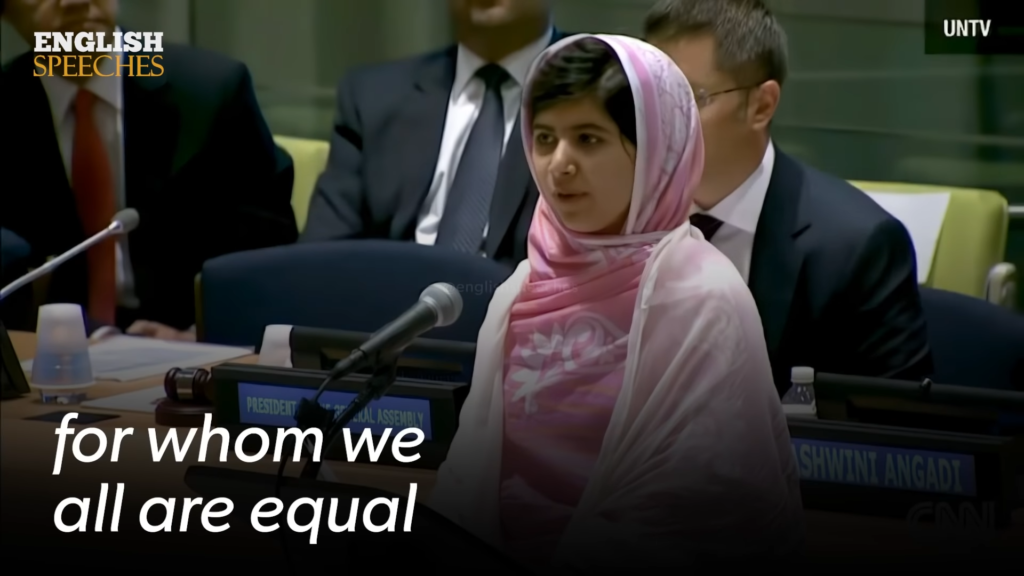
Malala’s fight for girls’ education and human rights gained international acclaim. She addressed the United Nations on her 16th birthday, delivering a powerful speech that demanded free, compulsory education for all children. In recognition of her activism, Malala was awarded the prestigious Nobel Peace Prize in 2014, becoming the youngest recipient in history. The prize further amplified her message and brought attention to the plight of millions of girls around the world who were denied access to education.
Malala Fund and Continued Advocacy
In 2013, Malala and her father co-founded the Malala Fund, a non-profit organization dedicated to promoting girls’ education globally. Through the fund, Malala continues to advocate for educational equality, empowering girls to achieve their full potential and become leaders in their communities. The Malala Fund supports initiatives that provide safe and quality education for girls, especially in regions affected by conflict and poverty.
Beyond Education: Human Rights Activism
Malala’s advocacy expanded beyond education to include broader human rights issues. She has spoken out against child marriage, gender inequality, and the mistreatment of refugees and displaced persons. Her activism highlights the interconnectedness of human rights and the urgent need to address systemic inequalities faced by vulnerable populations worldwide.
Malala Yousafzai’s journey from a courageous schoolgirl in Pakistan to a global icon for girls’ education and human rights exemplifies the power of one individual to ignite change and inspire a movement. Her fearless voice has transcended borders, cultures, and religions, shining a light on the importance of education as a fundamental human right. Through her unwavering dedication and passion, Malala has shown the world that even in the face of adversity, the pursuit of knowledge and equality can transform lives and shape a better future for all. As we celebrate Malala’s incredible achievements, let us be reminded of our collective responsibility to ensure every child’s right to education and work together to create a world where every voice is heard, and every dream is possible.